
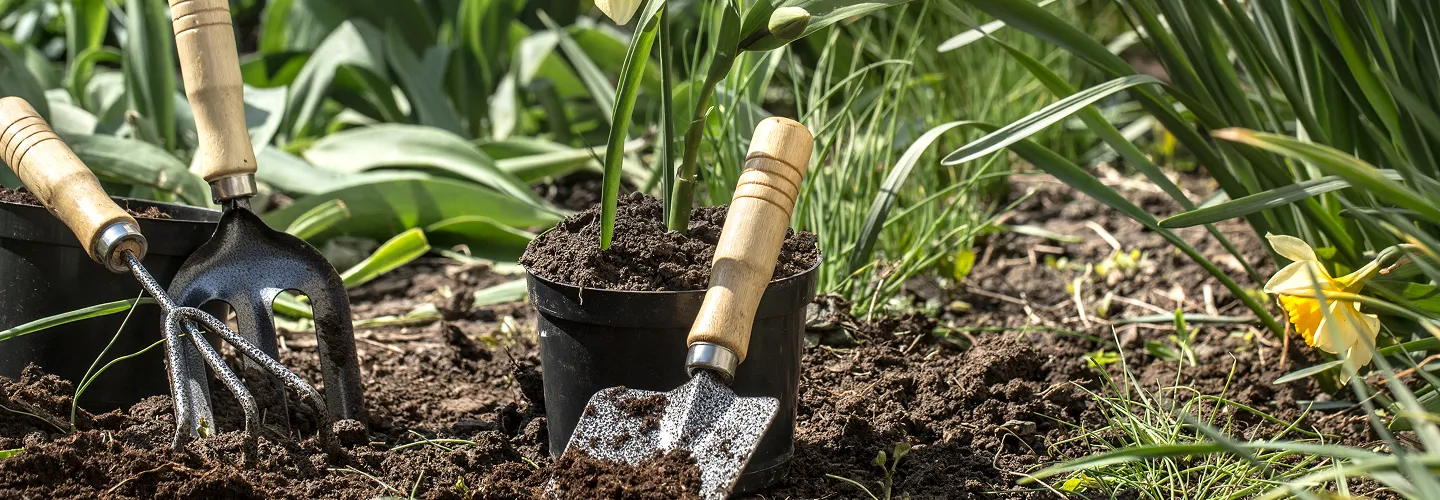
Austin Flower Planting Services
Choose our Flower Planting services for vibrant, expertly arranged blooms that thrive in Austin’s unique climate—bringing lasting color, curb appeal, and joy to your outdoor spaces.
Get a Free QuoteOur Austin Landscaping & Yard Care Services
When to Schedule Flower Planting in Austin, Texas – Seasonal Guide
Flower planting in Austin, Texas, is best timed to take advantage of the city’s unique climate and landscape. With hot summers, mild winters, and unpredictable rainfall, the optimal planting windows are typically early spring (late February to early April) and early fall (late September to October). These periods allow new flowers to establish roots before the intense summer heat or occasional winter chills set in. Neighborhoods like Hyde Park and Zilker, with their mature tree canopies, may offer more shade and slightly different microclimates compared to sunnier areas like Circle C Ranch or near Lady Bird Lake.
When planning your flower planting, it’s important to consider local environmental factors such as the average last frost date (usually mid-March), the risk of summer drought, and Austin’s clay-heavy soils, which can impact drainage. Humidity levels and shade coverage from live oaks or pecans can also affect which flowers will thrive. For more information on local planting guidelines and municipal recommendations, visit the City of Sudbury’s resource page.
Local Factors to Consider for Flower Planting in Austin
- Tree density and shade coverage (e.g., Tarrytown’s mature oaks vs. Mueller’s open lots)
- Soil type and drainage, especially in Barton Hills and Travis Heights
- Annual precipitation patterns and drought risk
- Proximity to water features or flood-prone areas
- Municipal watering restrictions and seasonal guidelines
- Terrain variations, such as slopes in Westlake Hills
- Neighborhood-specific microclimates and wind exposure
Benefits of Flower Planting in Austin
Expert Local Knowledge
Customized Landscape Designs
Drought-Resistant Plant Selection
Seasonal Color Enhancements
Eco-Friendly Landscaping Practices
Professional Maintenance Services
Austin Flower Planting Types

Perennial Flower Beds
-
Annual Flower Displays
-
Native Wildflower Gardens
-
Pollinator-Friendly Plantings
-
Shade Garden Flowers
-
Drought-Tolerant Flower Beds
-
Seasonal Color Rotations
Our Flower Planting Process
Site Evaluation
Soil Preparation
Plant Selection
Careful Planting
Watering and Mulching
Why Choose Austin Landscape Services
-
Austin Homeowners Trust Us
-
Expert Lawn Maintenance
-
Reliable Irrigation Solutions
-
Competitive Pricing
-
Professional Team
-
Sustainable Landscaping Practices
-
Personalized Service
Soil Series and Drainage Considerations for Flower Planting in Austin
Austin’s predominant soils include Houston Black clay, Austin silty clay, and Brackett gravelly clay loam, each presenting unique challenges for flower planting. These soils are characterized by high clay content, pH levels ranging from 7.5 to 8.2, and variable drainage, with Houston Black soils often exhibiting poor drainage and seasonal water retention at 12-18 inches. Before planting, it is recommended to conduct a soil test through Texas A&M AgriLife Extension (typical cost: $15-25) to determine amendment needs. Common amendments include:
- Compost: 2-3 inches tilled to 6-inch depth
- Gypsum: For improved clay structure
- Lime or sulfur: Adjust pH as needed Research local soil series using the USDA Web Soil Survey to tailor planting strategies for each site.
Austin Transportation and Public Works Department
505 Barton Springs Road, Austin, TX 78704
Phone: (512) 974-7065
Official Website: Austin Transportation and Public Works Department
Optimal Flower Planting Timing and Climate Zone Guidance for Austin
Austin is located in USDA Hardiness Zone 8b, with average annual minimum temperatures of 15-20°F. The city’s climate features hot summers, mild winters, and variable rainfall, making timing critical for successful flower establishment. Recommended planting windows are:
- Spring annuals: March 1 – April 15 (soil temp 60-70°F)
- Fall perennials: September 15 – October 31 (before first frost)
- Avoid planting June-August due to heat stress Monitor local weather forecasts through the National Weather Service Austin/San Antonio Office for optimal soil moisture and temperature conditions. Mulching with 2-3 inches of organic material helps retain soil moisture and moderate temperature fluctuations during establishment.
Native and Drought-Tolerant Flower Species Selection for Austin Landscapes
Selecting species adapted to Austin’s climate and soils is essential for sustainable flower planting. Recommended options include:
- Full sun: Black-eyed Susan (Rudbeckia hirta), purple coneflower (Echinacea purpurea), mealy blue sage (Salvia farinacea)
- Partial shade: Turk’s cap (Malvaviscus arboreus), columbine (Aquilegia canadensis)
- Deer resistant: Autumn sage (Salvia greggii), lantana (Lantana camara)
- Native pollinator support: Winecup (Callirhoe involucrata), standing cypress (Ipomopsis rubra) Spacing should be 12-18 inches for annuals and 18-24 inches for perennials to ensure healthy growth and airflow. Consult Texas A&M AgriLife Extension for detailed plant lists and maintenance guidance.
Environmental Compliance and Stormwater Protection in Austin Flower Planting
Flower planting activities in Austin must comply with local and state environmental regulations to protect water quality and sensitive habitats. The Texas Commission on Environmental Quality (TCEQ) enforces MS4 stormwater permit requirements, prohibiting soil, mulch, or plant debris from entering storm drains. Key compliance steps include:
- Maintain a 25-foot buffer from wetlands and streams
- Use biodegradable mulch and avoid synthetic weed barriers
- Prohibit fertilizer and pesticide application within 50 feet of water bodies
- Collect and properly dispose of plant debris (no dumping in storm drains) Violations may result in fines under the Texas Water Code. For reporting water pollution or environmental concerns:
Austin Water Pollution Reporting Program
505 Barton Springs Road, Austin, TX 78704
Phone: (512) 974-2550
Official Website: Austin Water Pollution Reporting Program
Municipal Coordination and Flower Bed Installation Standards in Austin
All flower bed installations in Austin must adhere to city ordinances regarding property setbacks, right-of-way encroachments, and maintenance standards. Key requirements include:
- Maintain a 2-foot setback from sidewalks and driveways
- Maximum bed height: 24 inches above grade
- Prohibit obstruction of sightlines at intersections
- Use only biodegradable or reusable edging materials
- Equipment operation hours:
- Monday-Friday: 7:00 AM - 7:00 PM
- Saturday: 8:00 AM - 6:00 PM
- Sunday and holidays: Prohibited Permit review for installations in public right-of-way typically requires 5-10 business days. For zoning and site regulation guidance:
Austin Zoning Resources and Site Regulations
505 Barton Springs Road, Austin, TX 78704
Phone: (512) 974-2681
Official Website: Austin Zoning Resources and Site Regulations
What Neighborhoods Do We Serve Throughout Austin, TX?
- Hyde Park: Historic district with mature trees, compacted urban soils, and frequent drainage challenges requiring raised beds and organic amendments.
- Tarrytown: Features large lots, alkaline clay soils, and proximity to Lake Austin, necessitating buffer compliance and careful species selection for deer resistance.
- Mueller: Redeveloped area with engineered soils, new construction, and HOA landscaping standards that influence plant palette and maintenance schedules.
- East Austin: Diverse lot sizes, variable fill soils, and increased runoff risk near Boggy Creek, requiring erosion control and stormwater best practices.
- Circle C Ranch: Suburban development with expansive clay soils, HOA restrictions on bed placement, and irrigation system integration needs.
- Westlake: Hilly terrain, shallow rocky soils, and proximity to Barton Creek Greenbelt, demanding erosion control and native plant use for slope stabilization.
- South Congress (SoCo): High-density area with limited planting space, compacted soils, and strict city maintenance standards for public-facing beds.